Add: Room 402, Building 1, Hongyuan Innovation Building, Wujiaochang Subdistrict, Yangpu District, Shanghai
CONTACT US
+86 18595994837


CONTACT US
+86 18595994837
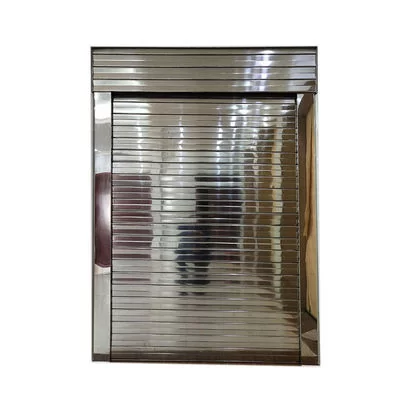
Industrial 3H Insulated Fire Shutter / Automatic Fire Shutters Color Optional
Industrial 3H Insulated Fire Shutter with automatic closing system, providing reliable fire protection and heat insulation; durable construction with optional colors to match different building designs.
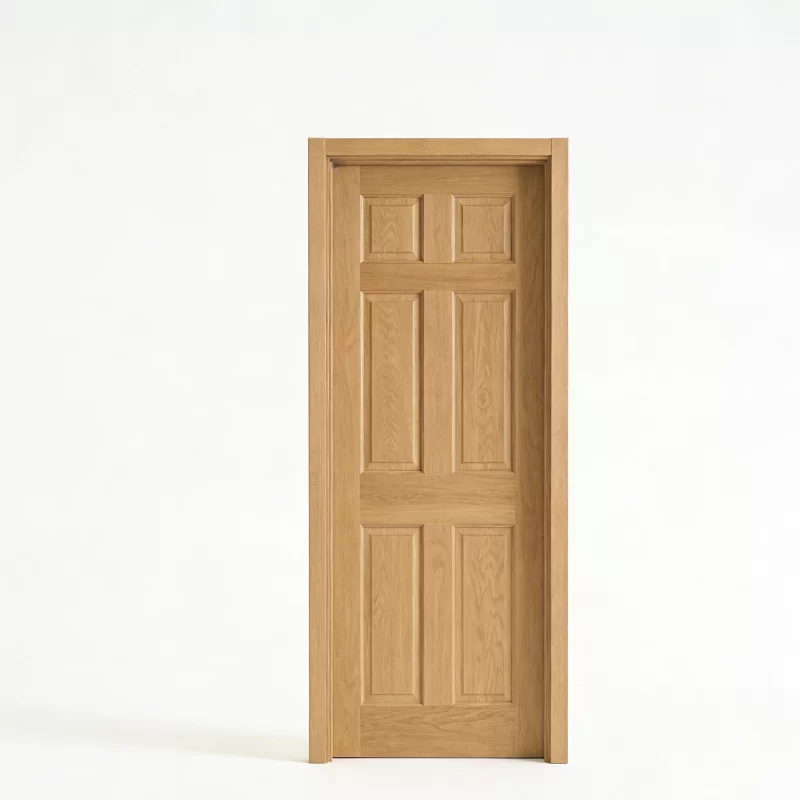
Our lacquered wooden doors deliver a smooth, high-end finish ideal for homes, villas, hotels and offices. Featuring eco-friendly lacquer, stable wood structure and delicate surface, they combine elegant appearance with long-lasting durability, perfectly enhancing the aesthetic of any interior space.
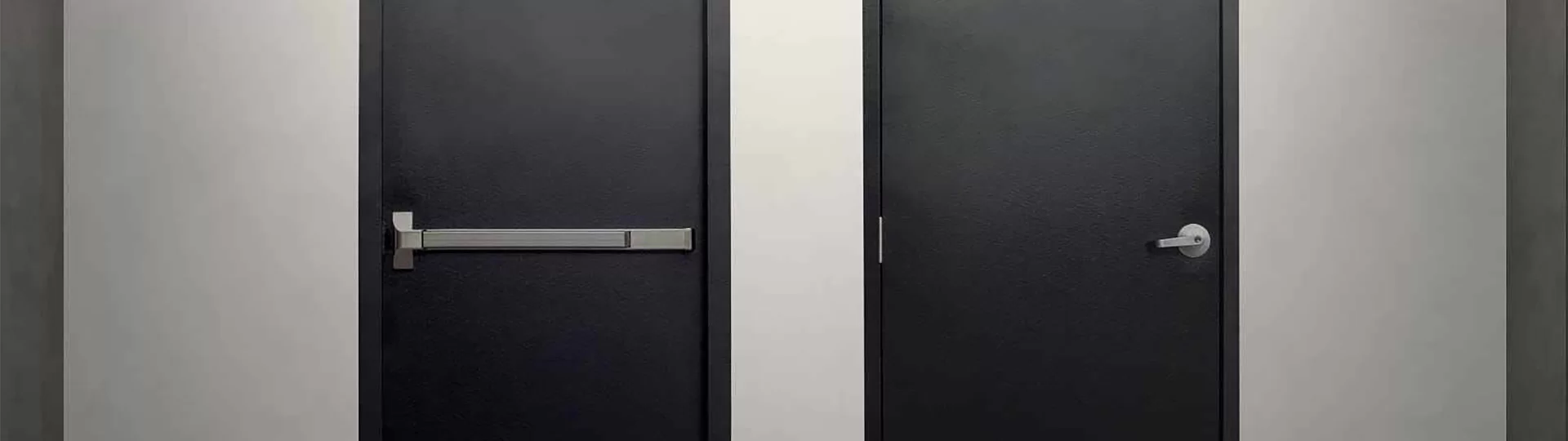
Professional fireproof door
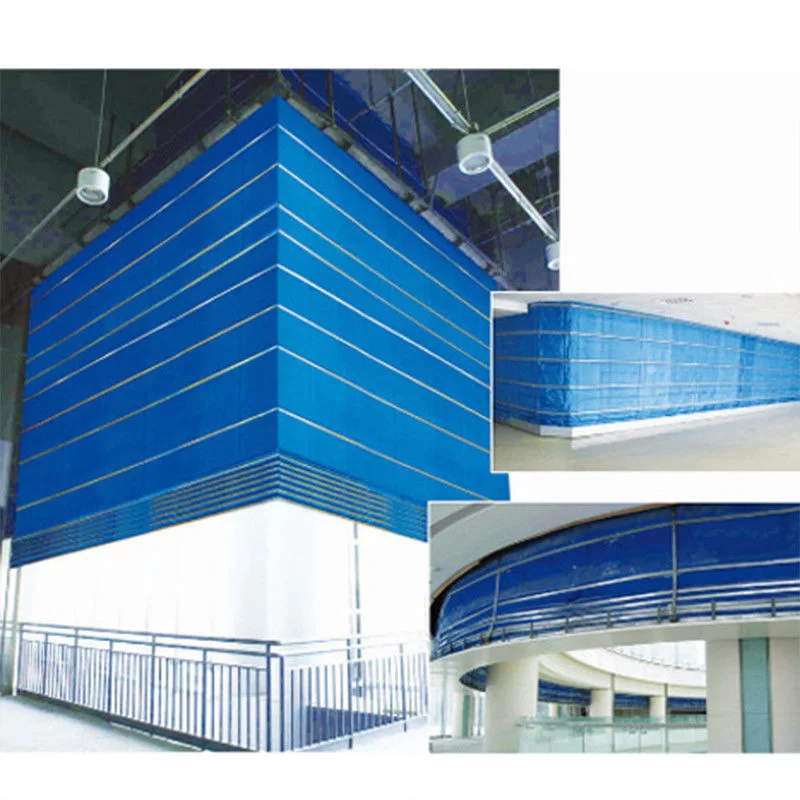
Rolling shutter doors are widely used in commercial, industrial, and public buildings due to their durability, space-saving design, and high security performance.
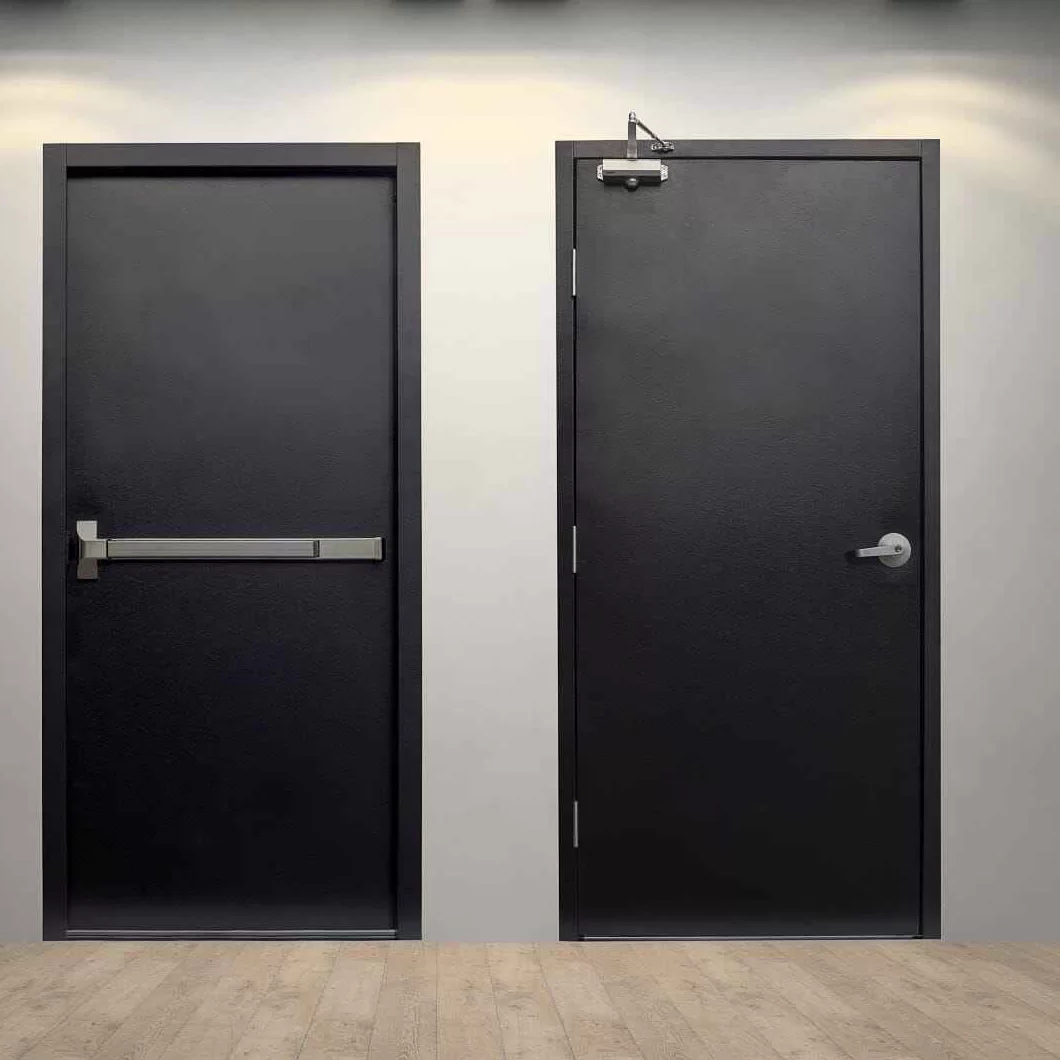
Fire doors play a vital role in modern building fire protection systems. Designed to resist the spread of fire and smoke, fire doors are essential safety components in residential, commercial, and industrial buildings.