Add: Room 402, Building 1, Hongyuan Innovation Building, Wujiaochang Subdistrict, Yangpu District, Shanghai
CONTACT US
+86 18595994837


CONTACT US
+86 18595994837
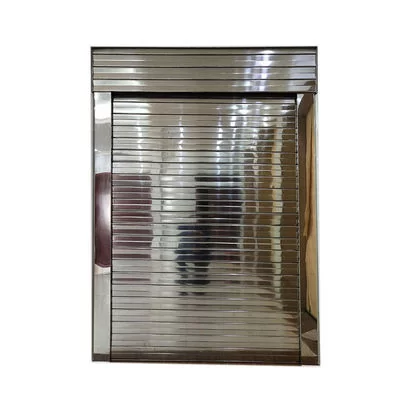
Industrial 3H Insulated Fire Shutter / Automatic Fire Shutters Color Optional
Industrial 3H Insulated Fire Shutter with automatic closing system, providing reliable fire protection and heat insulation; durable construction with optional colors to match different building designs.
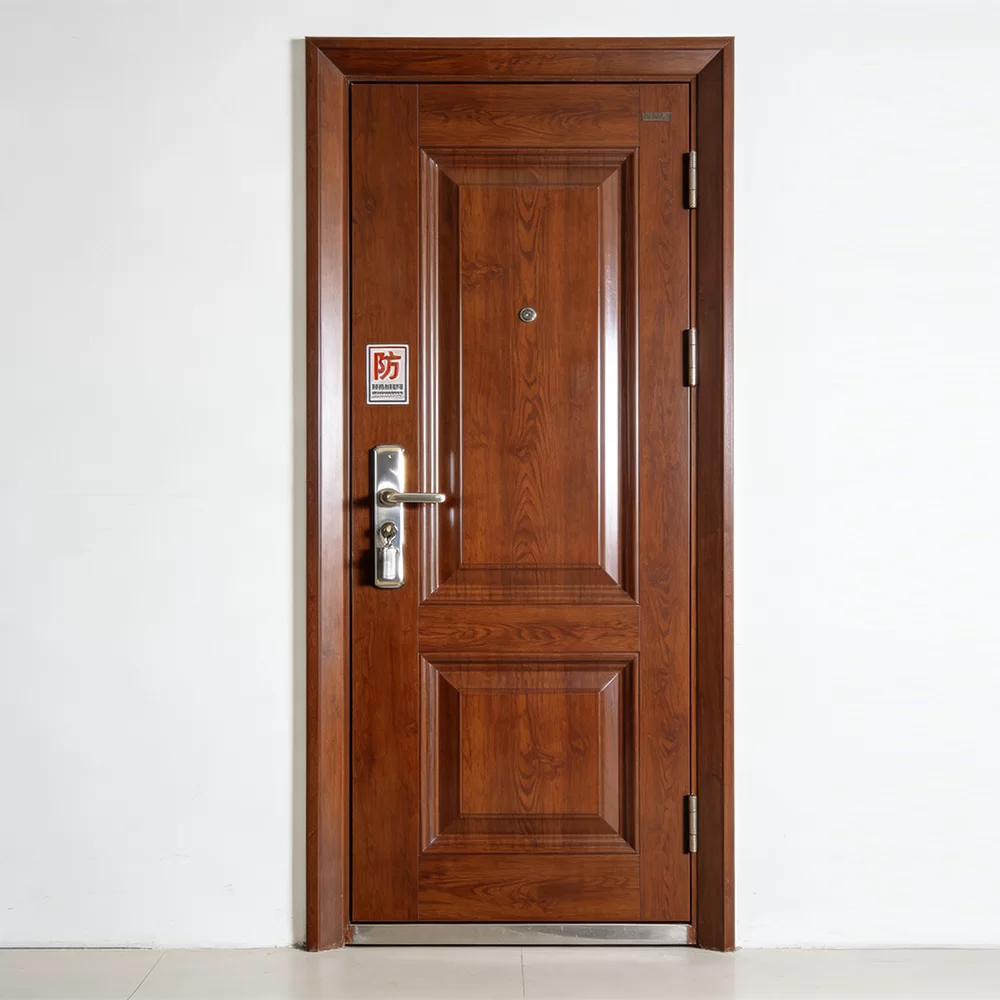
Timber Fire Doors – Certified Safety Solutions
Engineered Wood Fire Doors for Global Projects
Premium Timber Fire-Rated Door Systems
Sustainable Wood Fire Doors with UL/EN Certifications
Timber Fire Doors – Safety Meets Aesthetics
Our timber fire doors provide reliable fire and smoke protection for commercial, healthcare, and residential buildings. Engineered to meet UL, EN, and CE standards, they combine natural wood aesthetics with exceptional fire resistance, ideal for corridors, staircases, and public spaces.
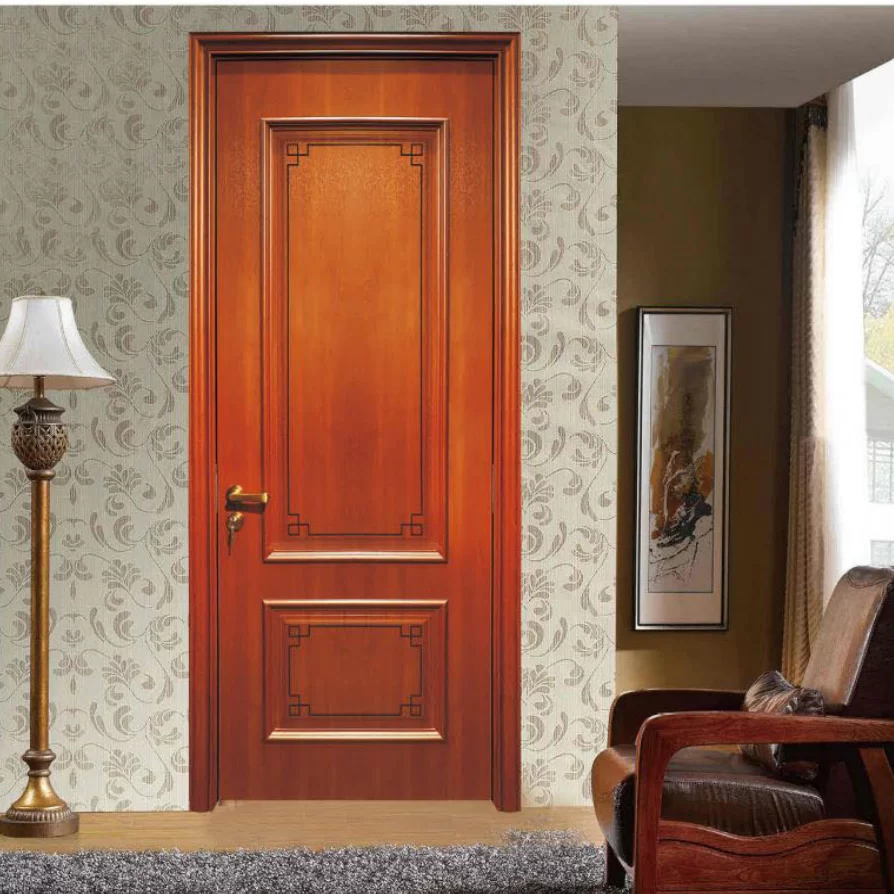
High-quality painted door with a smooth baked finish, offering durability, modern appearance, and long-lasting color.
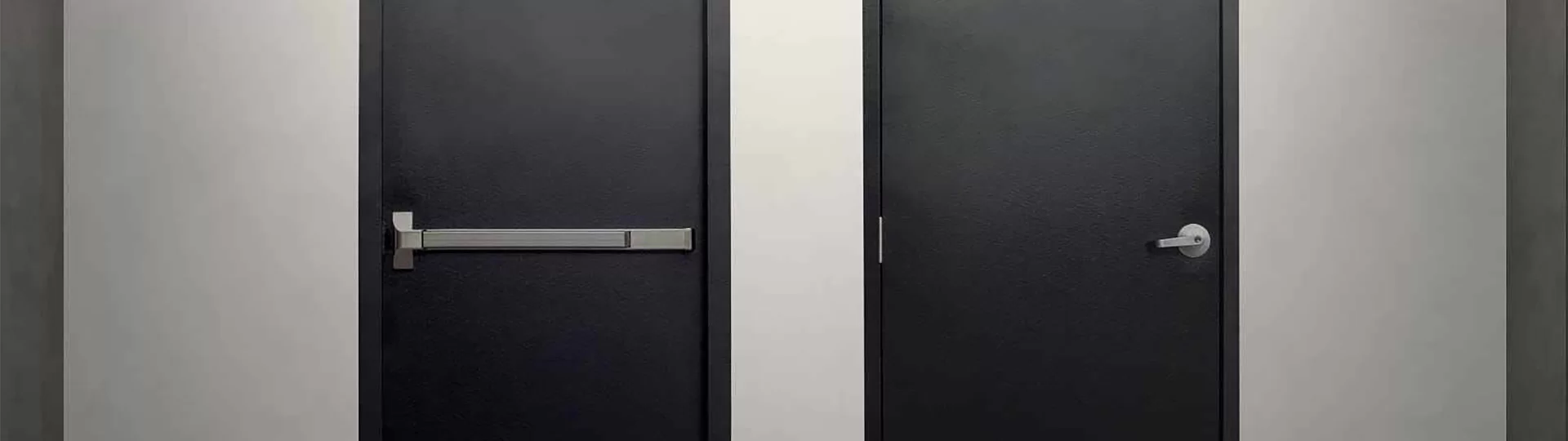
To provide reliable solutions through quality products!
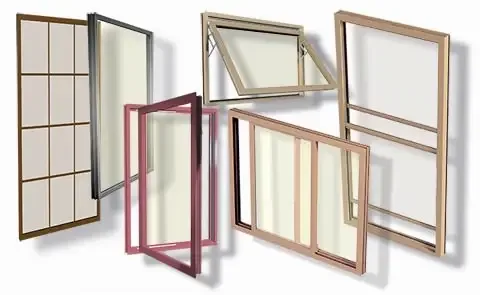
Fire-rated windows are essential elements in contemporary fire safety design, offering both protection and transparency. Unlike ordinary windows, fire-rated windows are specifically engineered to resist fire, heat, and smoke for a defined period while still allowing natural light to pass through.
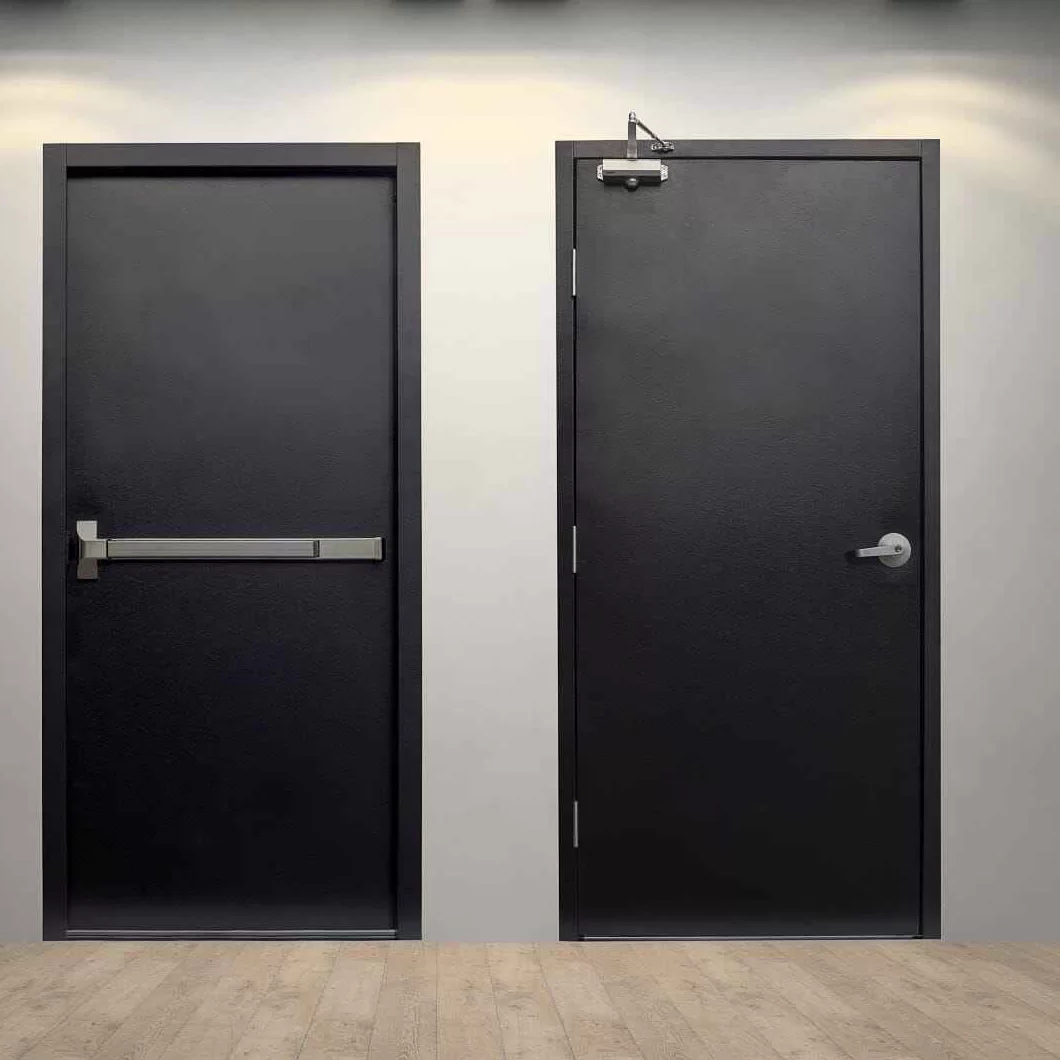
Fire doors play a vital role in modern building fire protection systems. Designed to resist the spread of fire and smoke, fire doors are essential safety components in residential, commercial, and industrial buildings.


