Add: Room 402, Building 1, Hongyuan Innovation Building, Wujiaochang Subdistrict, Yangpu District, Shanghai
CONTACT US
+86 18595994837


CONTACT US
+86 18595994837
Fire doors play a vital role in modern building fire protection systems. Designed to resist the spread of fire and smoke, fire doors are essential safety components in residential, commercial, and industrial buildings. Their primary function is to compartmentalize fire, slowing its progression and providing occupants with valuable time to evacuate safely.
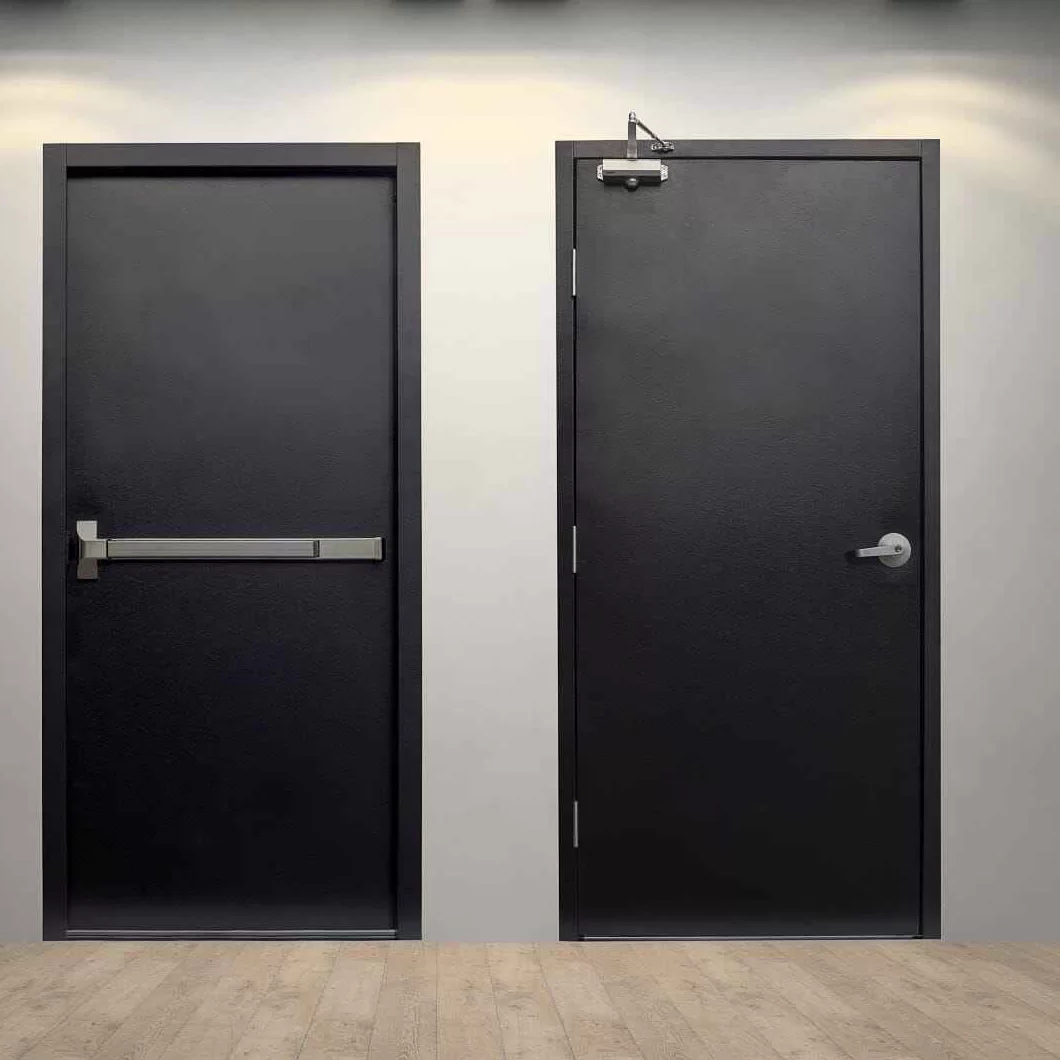
A fire door is constructed using fire-resistant materials such as steel, fire-rated wood cores, mineral boards, or composite materials. These materials are carefully tested to ensure they can withstand high temperatures for a specified period, commonly ranging from 30 to 120 minutes. During a fire emergency, this resistance helps contain flames and prevents toxic smoke from spreading rapidly through corridors, stairwells, and escape routes.
Beyond the door leaf itself, every component of a fire door system is important. Fire-rated hinges, locks, seals, and closers must work together to ensure reliable performance. Intumescent seals installed around the door frame expand when exposed to heat, effectively sealing gaps and blocking smoke penetration. This comprehensive system approach is what allows fire doors to meet strict international safety standards.
Fire doors are widely used in areas such as staircases, emergency exits, mechanical rooms, and fire compartments. In high-rise buildings, they are especially critical, as vertical fire spread can be extremely dangerous. Proper installation and regular inspection are essential to maintain their effectiveness. Even a high-quality fire door can fail if installed incorrectly or if hardware is damaged.
In addition to safety, modern fire doors also consider aesthetics and functionality. Today’s designs offer various surface finishes, colors, and glazing options while still maintaining fire-resistance performance. This allows architects to integrate fire safety seamlessly into building design without compromising visual appeal.
In conclusion, fire doors are not merely building accessories but life-saving devices. By controlling fire spread, protecting evacuation routes, and supporting emergency response efforts, fire doors form the foundation of effective passive fire protection systems in any building.
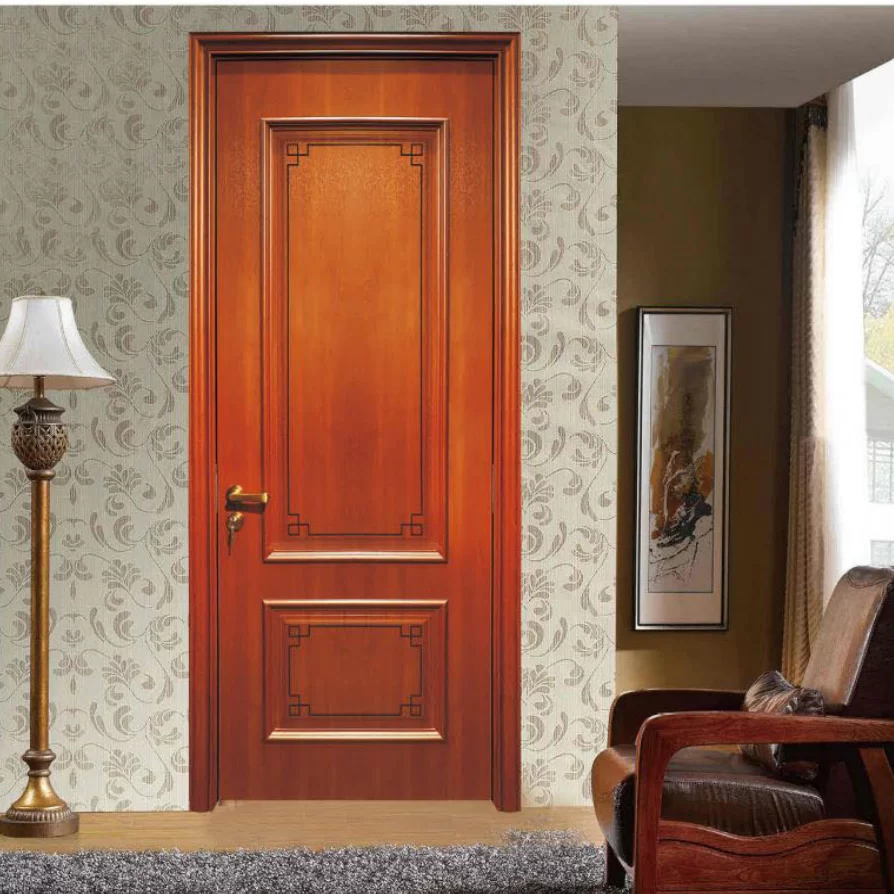
High-quality painted door with a smooth baked finish, offering durability, modern appearance, and long-lasting color.
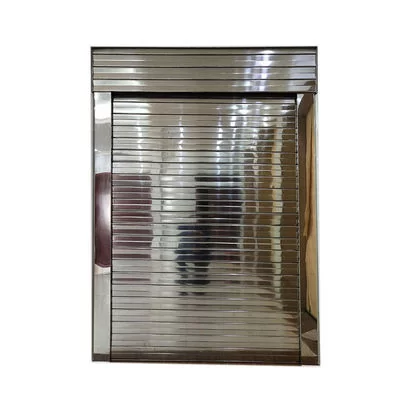
Industrial 3H Insulated Fire Shutter / Automatic Fire Shutters Color Optional
Industrial 3H Insulated Fire Shutter with automatic closing system, providing reliable fire protection and heat insulation; durable construction with optional colors to match different building designs.

To provide reliable solutions through quality products!
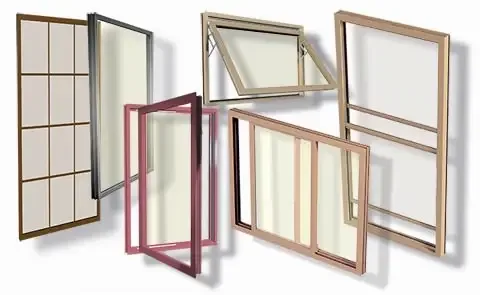
Fire-rated windows are essential elements in contemporary fire safety design, offering both protection and transparency. Unlike ordinary windows, fire-rated windows are specifically engineered to resist fire, heat, and smoke for a defined period while still allowing natural light to pass through.
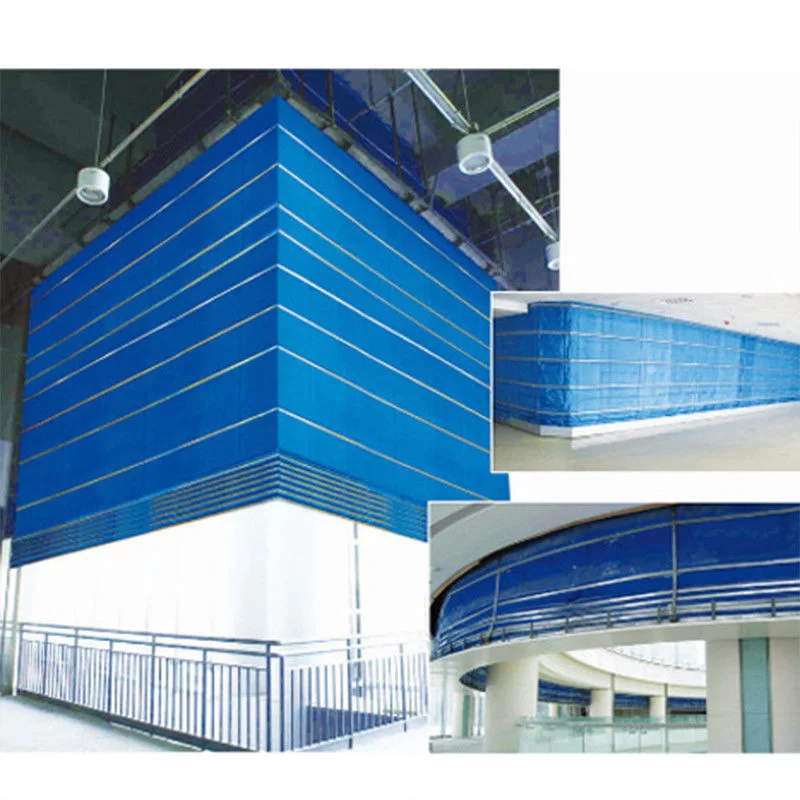
Rolling shutter doors are widely used in commercial, industrial, and public buildings due to their durability, space-saving design, and high security performance.